

)
)
The Active Canterbury Network invites Cantabrians to join us in embracing the multiple opportunities our region offers for people with pre-diabetes and type 2 diabetes | matehuka mono 2 to help manage this condition through physical activity.
 Active Canterbury are promoting and supporting classes, activities and events that are ‘diabetes-friendly’ in 2026. This means being suitable for people with pre- or type 2 diabetes - particularly if they are not used to exercising regularly and are unsure what to do or how to start.
Download a list of diabetes-friendly opportunities in Waitaha Canterbury [612KB PDF].
Where appropriate the instructor, trainer or leader will have completed an online module that covers a basic knowledge and understanding of diabetes and what exercise is most useful and appropriate for those with pre or type 2 diabetes | matehuka mono 2.
This FREE 45-minute online training is available to activity providers, supporters or exercise advocates, such as class instructors, volunteers, personal trainers, health coaches, nurses and GPs.
Find out more about upskilling online around diabetes-friendly exercise (YouTube).
Having pre-diabetes or type 2 diabetes means that your body is not producing enough insulin to help glucose move into muscle cells where it can be used as fuel. By moving your muscles – any kind of activity will do – you control the level of glucose in your blood by helping insulin to work properly.
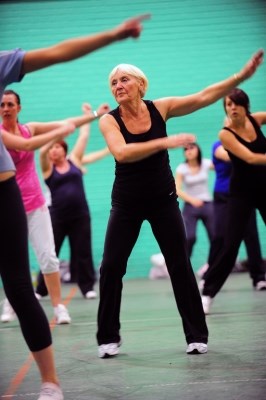 In addition to stabilising blood sugars, regular physical activity can also help with:
- Reducing blood pressure,
- Managing blood lipid levels and cholesterol,
- Improving body composition (more muscle/less fat),
- Good cardiac function (a healthy heart),
- Improving brain health and neuroplasticity,
- Reducing symptoms of respiratory conditions,
- Lifting mood and mental health,
- Keeping a healthy gut microbiome,
- Improving immunity.
As a result of becoming more active you may even be able to lower your medication or reduce your visits to hospital.
Read or download “Diabetes and Physical Activity” from Diabetes NZ [PDF].
Read or download “Staying well with type 2 diabetes” from Diabetes NZ [PDF]. Also available in Te Reo Māori, Samoan, Tongan, Hindi and Chinese.
Getting started will take some effort as you may have not been active previously, got out of the habit or feel that you are too tired, old, overweight, busy or unwell to exercise. You may also have other conditions that makes it painful and difficult to exercise such as osteoarthritis.
Active Canterbury encourages you to start slow and build up to doing at least 30 minutes of movement most days of the week.
You don't need to feel overwhelmed at doing 30 minutes in one go! Thankfully you can break up that time into manageable chunks that work for you - such as three 10-minutes sessions or two 15-minute periods. Over time you will find you are able to do more for longer.
Consistency is the key to getting the benefits of physical activity, so stick at it! You will gain far more health benefits if you have regular amounts of exercise every day than exercising for longer only one or two days a week.
Walking is the easiest and most accessible of all activities to do regularly. It doesn’t require any special equipment beyond a pair of suitable shoes and costs nothing.
If walking doesn’t appeal or is difficult due to injuries, you might consider:
- water-based activities like swimming, aquajogging or aquacise classes,
- gentle exercise classes such yoga, pilates or tai chi,
- cycling,
- dancing like linedancing or Zumba, or
- low-impact sports like pickleball, tennis, walking netball etc.
Any activity that requires you to huff and puff a little will do the job.
Also many of the activities we do as part of our daily life require physical movement. So you can count things like gardening and mowing the lawn, walking around the mall or supermarket when shopping, and household jobs like vacuuming, cleaning or washing the car.
You may need to discuss with your doctor or diabetes nurse educator what type of physical activity is best for you if you:
- have any complications of diabetes,
- have a history of heart disease, or
- have lived with diabetes for more than 8 years.
Find out more about getting active with type 2 diabetes (Diabetes NZ).
Learn about how to start getting active (Health NZ).
Gestational diabetes is diabetes that is diagnosed when you are pregnant. This is a common complication during pregnancy that is only diagnosed during routine testing (around week 24 to 28) and can affect women of all ethnicities.
In pregnancy, your body needs four times the normal amount of insulin to move glucose from carbohydrate-rich foods from the bloodstream into your muscles and tissues. This can cause your body to have high blood glucose levels which can cause problems for you and your baby.
Find out more about gestational diabetes (Health NZ).
Find out more about being active during pregnancy or when breastfeeding.
The Nurse Maude Community Diabetes Team supports those with type 2 Diabetes in Canterbury through:
- Consultations to help manage and review treatment plans.
- Education sessions to help build knowledge and confidence – including if you are newly diagnosed.
- Dietitian assessments and tailored nutrition advice.
Ask your GP or practice nurse for a referral to the Nurse Maude Community Diabetes Service.
Find out more about the Nurse Maude Community Diabetes Team.
Puāwai-Kai is a FREE 8-week course run in Ōtautahi Christchurch that focuses on making healthy lifestyles changes including eating, sleep, stress and being active. It’s especially for people who are at risk or are managing conditions such as diabetes, cardiovascular disease, depression and anxiety.
- Challenge Diabetes
- Benefits of being active
- Recommended daily activity
- Easy ways to move more
- Getting started
- Support programmes
- Keeping motivated
- Karawhiua!
- Parents and caregivers
- Under fives
- Children and young people
- Older adults
- Active with a disability
- Active with a health condition
- Expecting and new mums